Analysis/ Election special
LA’s choices.
November 3.
The candidates and measures shaping housing, public services, taxes and civil rights in Los Angeles.
Election dayNovember 3, 2026
CoverageCity of Los Angeles
UpdatedOctober 31, 2026
This guide is for voters in the City of Los Angeles. It covers the mayor and city attorney runoffs, all eight city measures, the two City Council runoffs, community-college contests, statewide offices and propositions, county measures, sheriff and courts. Your congressional, legislative and other district contests depend on your address. A Los Angeles mailing address alone does not establish city residency. Your sample ballot contains the races for your address.
Los Angeles candidates
Los Angeles voters will elect a mayor and city attorney. Voters in Council Districts 3 and 9 will also elect their councilmembers. All four races are nonpartisan runoffs.
Mayor
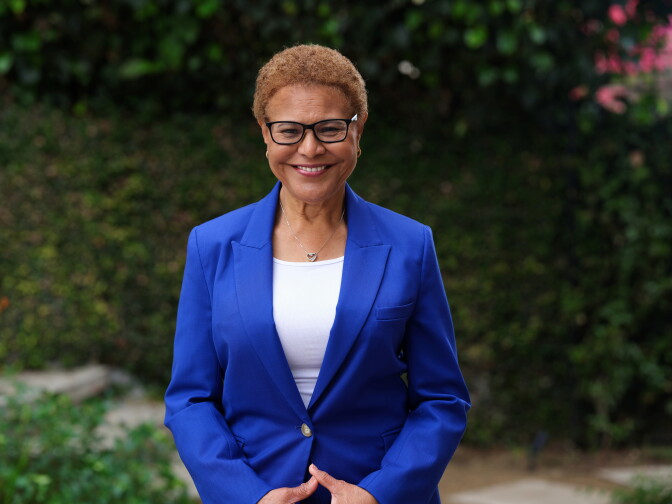
Karen Bass
Emphasizes continuing Inside Safe and interim housing, improving public safety and restoring basic city services. Cites her executive experience and declines in street homelessness as reasons for a second term.
LAist candidate guide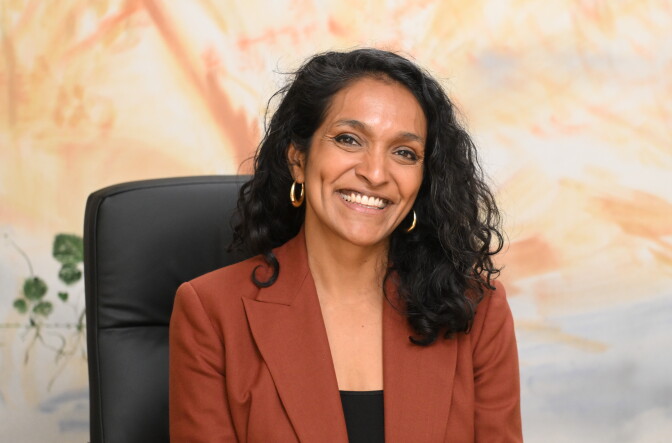
Nithya Raman
Proposes public homelessness-performance dashboards, funding tied to results and fuller use of existing shelter and housing capacity. Supports protections for immigrant communities and stronger financial safeguards for the Olympics.
LAist candidate guideCity attorney
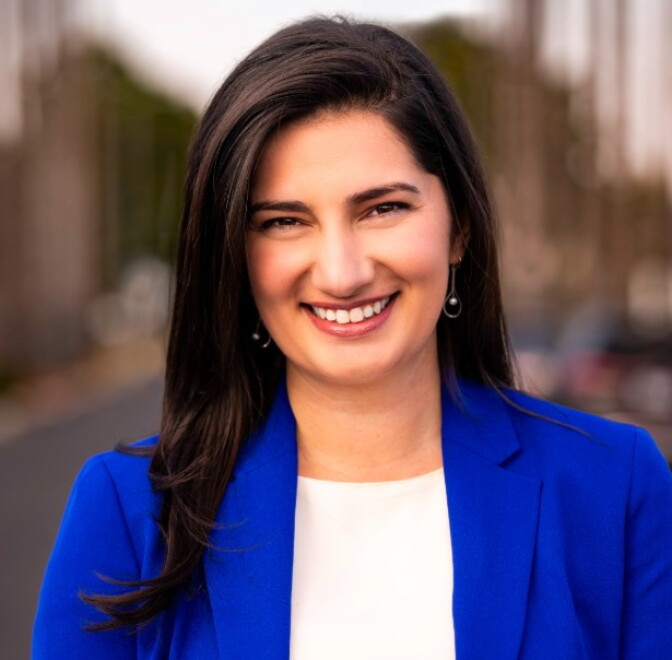
Marissa Roy
Consumer-protection attorney who emphasizes worker and renter rights and litigation against federal policies she considers unlawful. Has worked in public-rights litigation and the City Attorney’s Office. Her approach emphasizes affirmative civil enforcement as well as the office’s other duties.
LAist candidate guide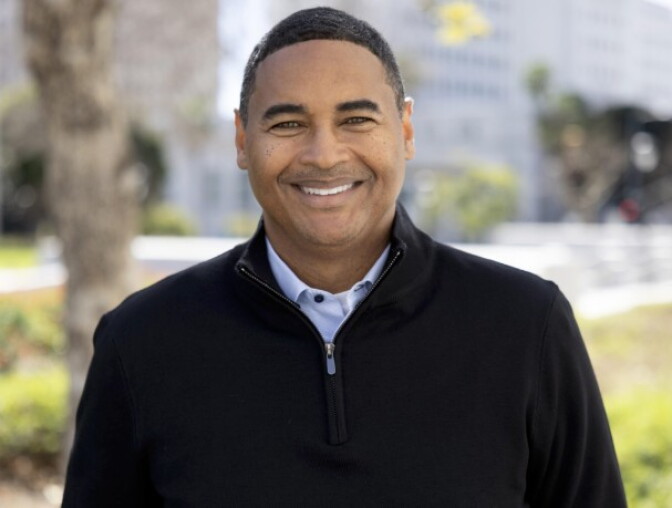
John McKinney
Prosecutor who emphasizes public safety and neighborhood protection. His experience includes major criminal cases and work with vulnerable crime victims.
LAist candidate guideCity Council, District 3
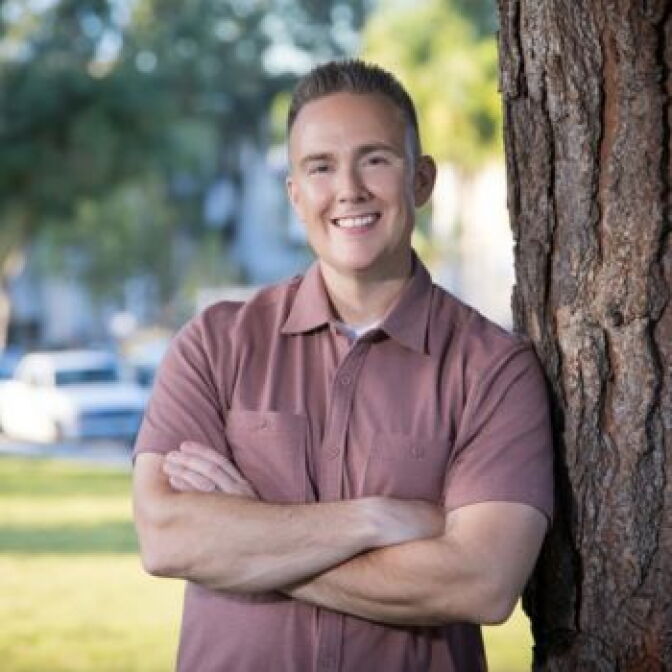
Timothy K. Gaspar
Emphasizes business experience, increased police funding and changes to homelessness services. Opposes rent control and some tenant protections. He argues the city needs an outside management perspective.
LAist candidate guide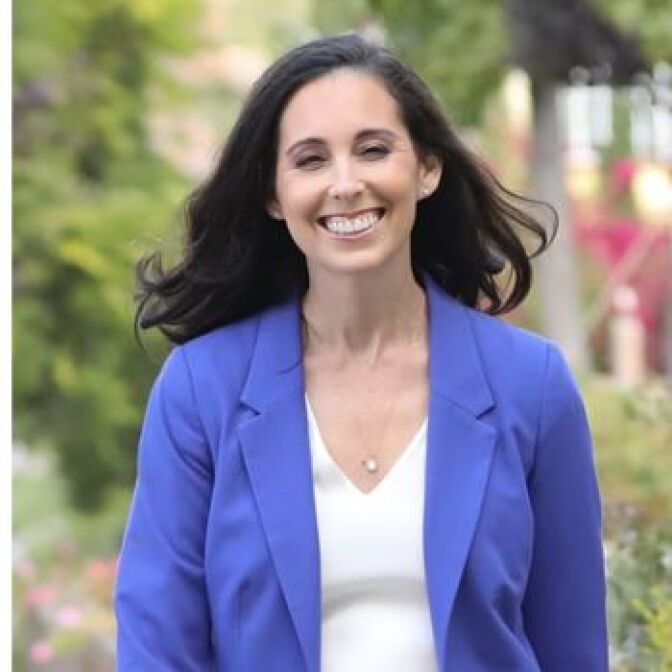
Barri Worth Girvan
Emphasizes constituent services and experience in city, county and state offices. Supports faster housing permits, use of the city’s encampment restrictions and expanding police staffing. Her record of public-sector work is a central contrast with Gaspar’s business background.
LAist candidate guideCity Council, District 9
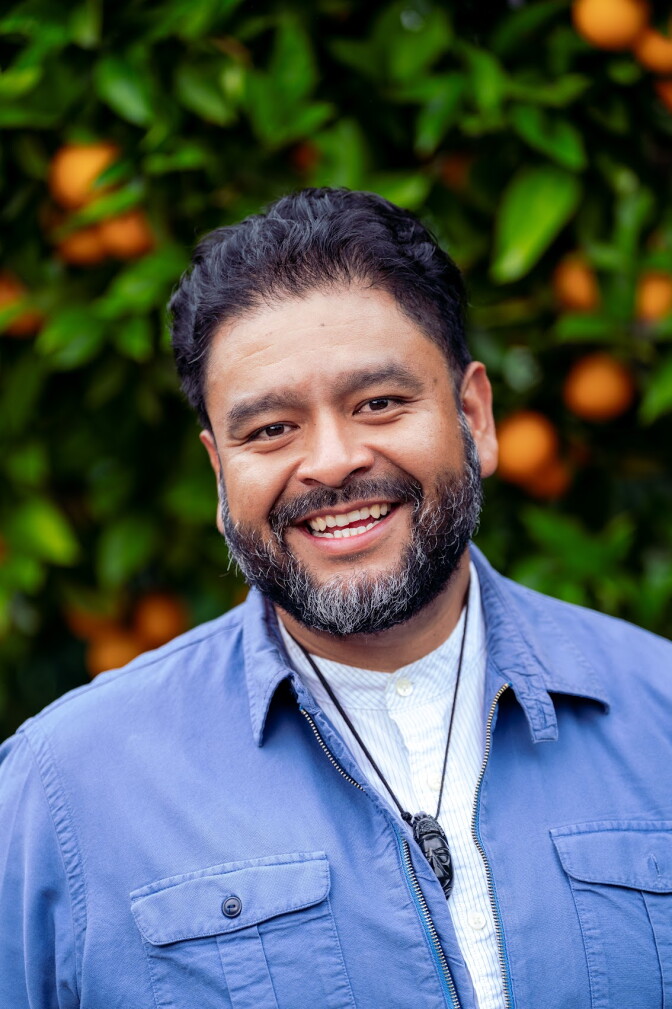
Estuardo Mazariegos
Supports mixed-income social housing and greater investment in unarmed crisis response rather than expanding LAPD staffing. Proposes a surcharge on district entertainment and sporting tickets for neighborhood amenities. His campaign emphasizes organizing and redistribution of city resources.
LAist candidate guide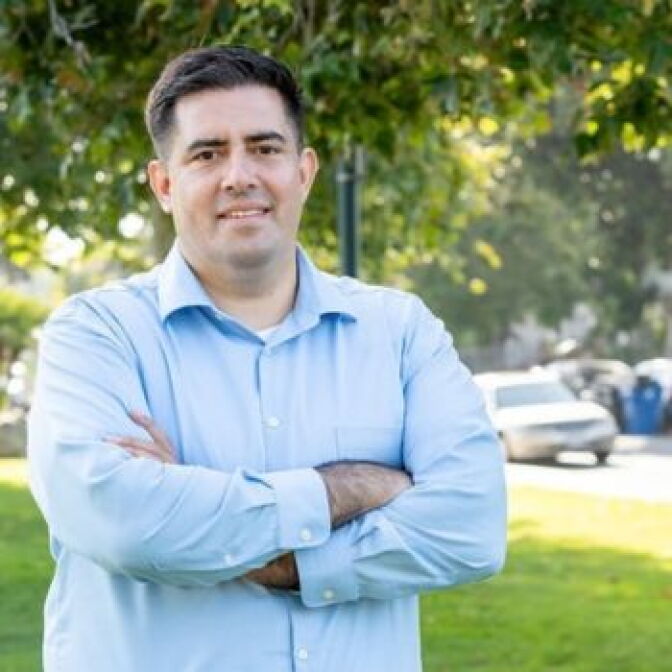
Jose Ugarte
Former chief deputy to Councilmember Curren Price. Proposes a city public-health department, more mental-health spending, mandatory treatment and job training for unhoused people, and additional police officers. Supports lower-priced housing construction.
LAist candidate guideHomelessness, housing supply, public safety, city services and Olympic costs are central issues in the mayoral race. Read our Bass–Raman debate analysis.
Other City Council races were decided in June or are outside this election cycle; there is no November controller runoff. See why a Council contest may not appear on your ballot.
All eight Los Angeles measures
These are separate from the statewide propositions and county Measures A and E below. A Yes vote adopts the described change; a No vote rejects it. Read the City Clerk’s official voter pamphlet and measure texts alongside the individual explanations.
| Measure | What Yes would do | Arguments and tradeoffs |
|---|---|---|
| TE Palisades Fire property-transfer tax relief | Provides a one-time ULA transfer-tax exemption or refund for qualifying residential property damaged or destroyed in the Palisades Fire and sold within five years of the fire. | Supporters emphasize disaster recovery for owners facing a forced sale. The tradeoff is forgone housing and homelessness-prevention revenue, estimated at $35 million to $66 million. This is a specific exemption, not repeal of ULA. |
| LA Budgeting, infrastructure and Public Works | Creates a two-year budget cycle and capital-infrastructure planning requirements; changes Public Works authority, contracting rules and restrictions on city business activity and mortgaging city property. | Supporters seek faster, longer-term planning. Critics object to weakening the Board of Public Works and existing safeguards. The infrastructure provisions are bundled with these changes to city authority. |
| PL City planning and appeals | Replaces seven Area Planning Commissions with one Neighborhood Appeals Commission, changes decision deadlines and review procedures, and allows floor-area rules to change by ordinance. | Supporters emphasize consistency and speed. The tradeoff includes less geographically distributed review. Certain recommended general-plan amendments could take effect when Council fails to act, rather than being automatically denied. |
| EE Ethics, elections and governance | Strengthens specified police and fire oversight powers, raises campaign-finance penalties, restricts Ethics Commissioners’ later candidacies, raises referendum signature requirements and changes Council’s minimum meeting requirement from three days weekly to at least once weekly. | Supporters emphasize oversight and more flexible operations. Critics question reduced mandatory public meetings and the higher referendum hurdle. The amendment permits fewer meetings; it does not require Council to meet only once a week. |
| PRK Minimum funding for parks | Phases in a doubling of the minimum Recreation and Parks budget allocation over ten years, with fiscal-emergency exceptions. | It reallocates existing revenue rather than imposing a new tax. Supporters seek better maintained parks and recreation services; the fiscal tradeoff is less flexibility for other city spending. A larger budget does not by itself specify which neighborhood improvements happen first. |
| PRT Harbor, airport and DWP governance | Requires waterfront public-access funding and specified Harbor workforce-impact disclosures, changes airport-board residency requirements and permits longer maximum airport and DWP leases with Council approval. | Supporters emphasize community representation, public waterfront access and investment. Business critics object to added Harbor reporting requirements. Longer leases can attract capital while committing public assets for longer periods. |
| SC LAUSD campaign-finance rules | Clarifies school-board campaign-finance rules by aligning them with mayoral provisions, subject to exceptions, and allowing changes by ordinance. | Supporters call it simplification of overlapping rules. A key question is the discretion given to Council to change rules later. No opposition argument was filed for the voter pamphlet. Applies to the relevant LAUSD electorate, including voters outside city boundaries. |
| FD Fire Department sales tax | Adds a half-percentage-point city sales tax for LAFD staffing, facilities, equipment and other core functions, with audits and citizen oversight. Estimated revenue is $345 million annually; the stated combined rate would rise from 10.25% to 10.75%. | Supporters emphasize emergency-response capacity. Opponents object to another sales-tax increase and argue for better budgeting. A maintenance-of-effort rule is designed to keep the tax from replacing existing funding. The tax has no fixed sunset and continues until voters end it. |
Education and address-dependent races
Los Angeles Community College District
Seats 2, 4 and 6 on the community-college district’s Board of Trustees are on the ballot. Read LAist’s candidate profiles and questionnaires for comparisons.
| Seat | Candidates |
|---|---|
| 2 | Adriana Cabrera; Roy Payan; Robert Payne; Kristina Irwin; Steven F. Veres |
| 4 | Darryn Harris; Nancy Pearlman; Elaine Alaniz; Isidro J. Armenta; Jason R. Aula; Adam Bruno; Priscilla Umana |
| 6 | Randall Winston; Tonia Arey; Roberto David Lacarra; Gabriel Buelna |
County candidate list. Trustees oversee student access, academic programs, labor policy and construction spending.
LAUSD and your other districts
LAUSD Board Districts 2, 4 and 6 were decided in the June primary, so those November candidate runoffs were canceled. Charter Amendment SC remains a separate ballot question. Results and canceled runoffs.
Los Angeles spans multiple U.S. House, State Senate and Assembly districts. Your congressional and legislative candidates depend on your address. Find your districts and any additional school or special-district contests on your sample ballot. Congressional and legislative candidate profiles are outside this citywide guide’s scope.
All 14 California propositions
The numbering is 1 through 5, then 37 through 45. A No vote generally leaves existing law in place; the table describes the specific change a Yes vote would authorize.
| Measure | What Yes would do | Arguments and tradeoffs |
|---|---|---|
| Prop. 1 Affordable housing bonds | $11.25 billion in borrowing for rental housing, veterans’ mortgages, supportive housing, preservation and down-payment assistance. | Supporters emphasize housing supply and assistance for vulnerable households. The state estimates $500 million to $600 million in annual repayment costs for about 25 years. No opposition argument was submitted in the official guide. The financing is a commitment of future budgets, even though the measure does not itself create a new tax. |
| Prop. 2 Budget reserves | Changes rules for the rainy-day fund and extra debt payments, increasing reserves. | Supporters argue larger reserves protect services in recessions. Opponents object to the treatment of reserve deposits under the spending limit and the effect on taxpayer rebates. The tradeoff is between saving more now and flexibility over current spending and refunds. |
| Prop. 3 High-income tax extension | Makes the existing higher income-tax rates on high earners permanent rather than letting them expire in 2031. | The official estimate is $5 billion to $15 billion in annual revenue maintained. Supporters cite education and health funding; opponents object to turning a temporary tax into a permanent one and criticize spending performance. A No vote allows the scheduled expiration, not an immediate tax cut. |
| Prop. 4 Public campaign financing | Allows state and local governments to establish public campaign-financing systems, subject to restrictions. | Supporters see a way to reduce candidates’ dependence on large donors. Opponents object to using public money for campaigns. Passage permits programs; it does not automatically establish one uniform statewide financing system. |
| Prop. 5 Recall elections | Removes the replacement-candidate question from a recall ballot; succession would instead use special elections or appointments, depending on the office and timing. | Supporters object to a replacement winning with fewer votes than the recalled official received against removal. Opponents emphasize losing the immediate choice of successor and possible delays or extra elections. |
| Prop. 37 Loans for new homes | Authorizes up to $25 billion in revenue bonds for assistance to eligible purchasers of newly built homes. Homeowner loan payments repay the bonds. | The official fiscal summary identifies no direct state or local costs. Supporters emphasize middle-income ownership. Important limits include buyer eligibility, occupancy and new-construction requirements. This is borrowing by participating homeowners, not a grant or a general rent-relief program. No opposition argument was submitted. |
| Prop. 38 Immunology research bonds | Authorizes $8.4 billion in borrowing, with half allocated to one UC-affiliated nonprofit research institute and half to research grants. | Supporters emphasize potential medical breakthroughs. Opponents question decades of debt and the earmarked funding design. Estimated annual repayment is $500 million to $600 million for about 20 years; future research revenue could offset some or all costs, but that is not guaranteed. |
| Prop. 39 Voter identification | Adds government-ID requirements for in-person voting and identification-number information for mail ballots. | Supporters argue the requirements improve trust and election security. Opponents warn of barriers for eligible voters, privacy risks and administrative costs. The official estimate ranges from tens of millions to low hundreds of millions of dollars annually. A No vote retains current identification procedures. |
| Prop. 40 One-time billionaire tax | Imposes a one-time tax equal to 5% of covered billionaires’ wealth, with revenue primarily for health care. | The official estimate is tens of billions in temporary revenue, alongside a possible ongoing reduction of less than $1 billion a year in income-tax revenue. Supporters emphasize health-care funding and wealth concentration. Opponents challenge economic effects, design and accountability. This is a wealth tax, distinct from Proposition 3’s income tax. |
| Prop. 41 Special-tax audits and spending limits | Adds audits of programs financed by new special taxes and restricts exemptions from the state spending limit. | Supporters emphasize public audits and accountability. Opponents say the spending-limit provisions threaten the billionaire-tax proposal. It combines audit requirements with restrictions on taxation. Its fiscal effect depends on future decisions and implementation. |
| Prop. 42 Personal-property and retroactive taxes | Prohibits new state taxes on ownership of financial assets and other personal property, and certain retroactive taxes. | Supporters emphasize protecting savings and property from new taxes. Opponents object to limiting future wealth-tax options and its conflict with the billionaire-tax proposal. The restriction concerns more than retirement accounts; it also reaches other covered personal property. |
| Prop. 43 Local special-tax voting threshold | Raises the approval threshold for voter-proposed local special taxes from a majority to two-thirds beginning in 2027. | Supporters want a stronger taxpayer veto. Opponents argue it would make funding services harder despite majority support. It changes future approval rules rather than itself imposing a tax. |
| Prop. 44 Community clinic spending | Requires covered nonprofit community health clinics to spend at least 90% of revenue on program services, with penalties for noncompliance. | Supporters argue more revenue should reach the charitable mission. Opponents, including medical organizations, warn that the rule could undermine operations and access to care. The practical question is whether the accounting rule improves patient services or constrains necessary administration. |
| Prop. 45 Environmental review | Creates faster environmental-review and court-challenge procedures for qualifying projects, including many housing, transportation, water and health projects. | Supporters emphasize construction speed and affordability. Opponents emphasize reduced environmental and public review. The official analysis also identifies implementation costs and uncertain longer-term fiscal effects. The policy choice combines project delivery with changes to legal oversight. |
Read Propositions 40, 41 and 42 together. Their approaches to wealth taxes and spending restrictions conflict. The final legal effect can depend on the measures’ text, which pass and their relative vote totals.
The two Los Angeles County measures
| Measure | What changes | What to weigh |
|---|---|---|
| A: Labor arbitration | Creates binding arbitration for disputes with specified public-safety employee bargaining units. It also extends or restates strike prohibitions. | Supporters emphasize resolving bargaining deadlocks and maintaining emergency services. The institutional tradeoff is that arbitrators can impose binding outcomes without a later vote of supervisors or the electorate. This concerns specified units, not every county employee. |
| E: Ethics and community investment | Strengthens the structure and independence of the county ethics bodies, sets a minimum operating budget beginning at $14.3 million, and preserves a 10% community-investment and alternatives-to-incarceration allocation under the future county executive system. | The potential benefits are more independent oversight and continuity of community spending. The tradeoffs include protected budget commitments and the details of appointment and enforcement powers. A Yes vote adopts this combined package. |
No opposition argument was filed for either measure in the county voter pamphlet. Read full texts, fiscal statements and arguments.
State candidates
Each office elects one candidate.
Governor

Xavier Becerra
Former state attorney general and federal health secretary. Proposes protecting Medi-Cal, working toward universal health coverage, increasing housing construction and enforcing state housing obligations. His program relies on a substantial public role in affordability.
Read more
Steve Hilton
Proposes large tax reductions, reduced regulatory costs and smaller government. His affordability pitch includes lower energy costs and eliminating state income tax on the first $150,000 of earnings. The tax proposals would require financing and legislative approval.
Read moreLieutenant governor

Fiona Ma
Emphasizes affordable housing finance, lower higher-education costs, paid internships and career pathways. Points to her state treasurer experience.
Read more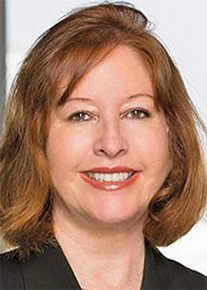
Gloria Romero
Emphasizes school choice, academic standards, spending restraint and changes to state commissions. Frames her candidacy around breaking one-party control.
Read moreSecretary of state

Shirley N. Weber
Emphasizes protecting voting access, vote-by-mail and eligible voters’ participation. This office administers elections and public campaign-finance information.
Read more
Donald P. Wagner
Emphasizes faster counting, voter identification and voter-roll maintenance.
Read moreController

Malia M. Cohen
Emphasizes financial transparency, public payroll modernization and management of state accounts.
Read more
Herb W. Morgan
Proposes transaction-level public expenditure reporting and stronger audits before and after spending.
Read moreTreasurer

Eleni Kounalakis
Proposes using public finance for affordable housing, family investments and pension protection. The office manages investments and bond financing.
Read more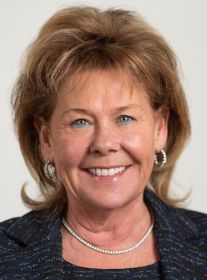
Jennifer Hawks
Emphasizes financial oversight, responsible investing and private-sector management experience. Promises scrutiny of waste and measurable results.
Read moreAttorney general

Rob Bonta
Emphasizes consumer and worker protection, housing-law enforcement, gun safety and litigation challenging federal actions. His campaign also cites prosecution of organized crime and trafficking.
Read more
Michael E. Gates
Emphasizes criminal prosecution, public safety, trafficking enforcement and implementation of Proposition 36. Points to his city-attorney and courtroom experience.
Read moreInsurance commissioner
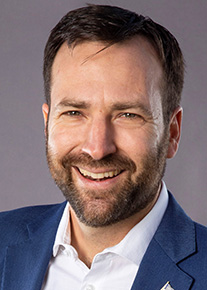
Ben Allen
Proposes consumer protections, faster disaster claims, more insurance competition and wildfire resilience. Opposes a large new public insurance system on fiscal-risk grounds.
Read more
Jane Kim
Proposes a public Disaster Insurance for All program, limits on excessive profits, stronger claims enforcement and action against price-fixing. Her approach changes the structure of coverage more substantially.
Read moreThis contest presents a substantive disagreement over how to stabilize coverage: regulating and expanding private options versus creating a larger public role. Both candidates say they refuse insurance-company money; Kim also says she refuses corporate PAC money. Candidate statements.
Superintendent of public instruction

Richard Barrera
Emphasizes public-school investment, student achievement, protections for LGBTQ students and keeping immigration enforcement out of schools. Has a San Diego school-board background.
Read more
Sonja Shaw
Emphasizes parental authority, academic standards, reduced bureaucracy and sex-based school athletics and facility policies. Has a Chino Valley school-board background.
Read moreBoard of Equalization, District 3

Mike Gipson
Assemblymember who emphasizes tax fairness, closing loopholes and protecting revenue for public services. His experience includes chairing the Assembly tax committee.
Read more
Samuel P. Sukaton
Union organizer who emphasizes uniform assessments, transparent tax administration and property-tax reform, including discussion of split-roll taxation. The board cannot independently enact every tax reform he supports.
Read moreLos Angeles County sheriff
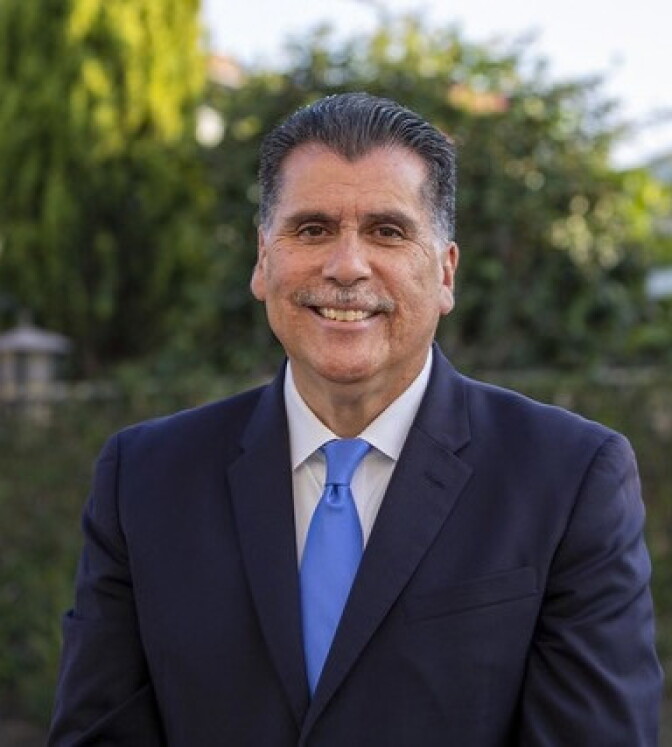
Robert Luna
Seeking a second term. His administration faces litigation and scrutiny over jail conditions and oversight. He has requested an outside review of jail conditions.
Read more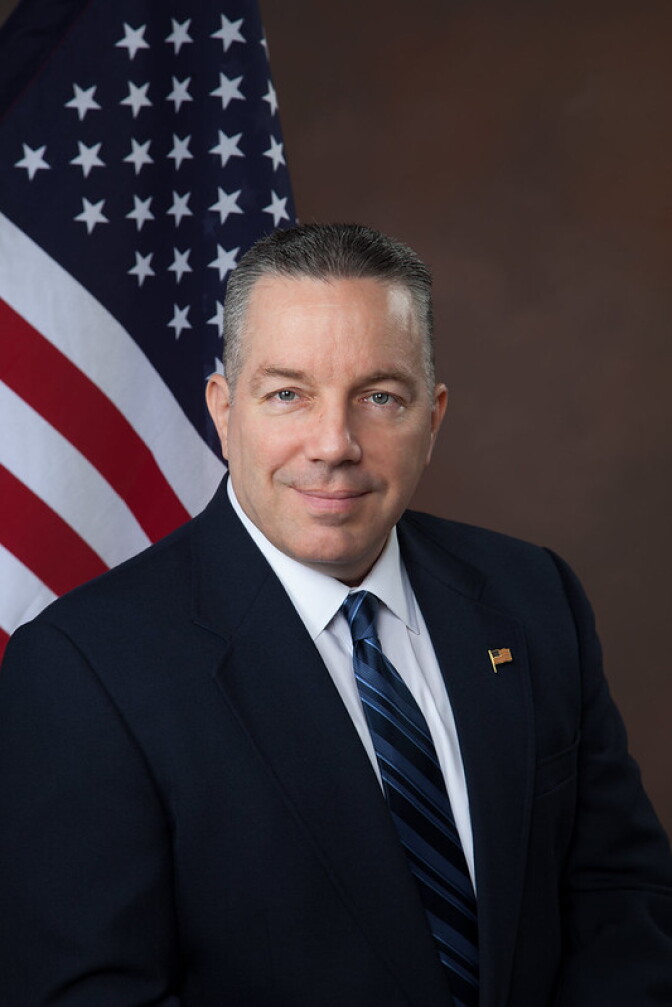
Alex Villanueva
Seeking a return after serving from 2018 to 2022. His prior term included conflict with county oversight and investigations of critics. He says he would restore the department’s standing.
Read moreJudicial elections
Trial-court contests ask you to choose between candidates. Supreme Court and Court of Appeal contests ask Yes or No on retaining an individual justice.
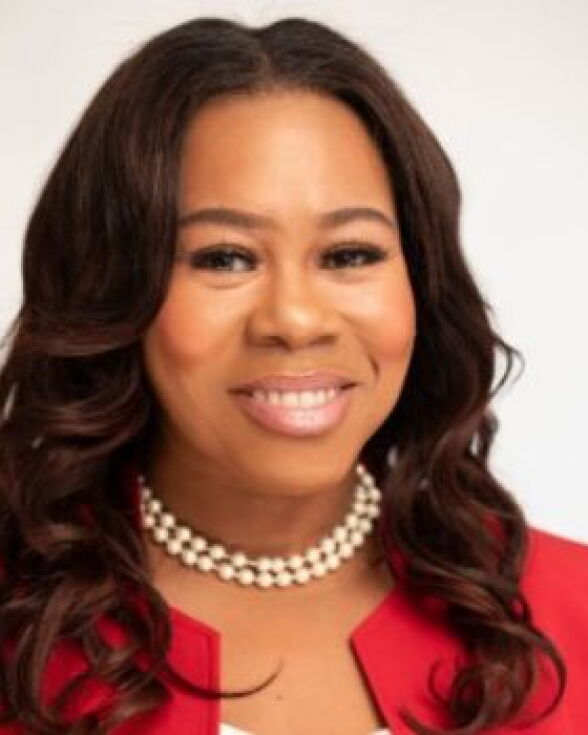
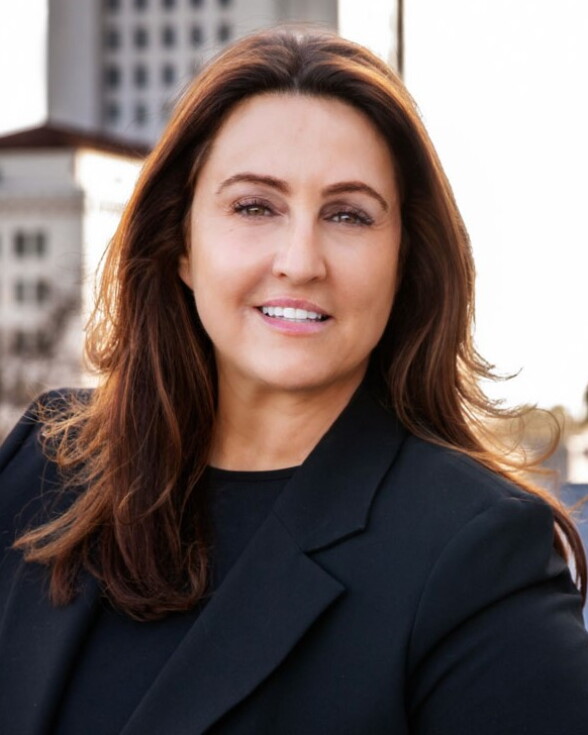
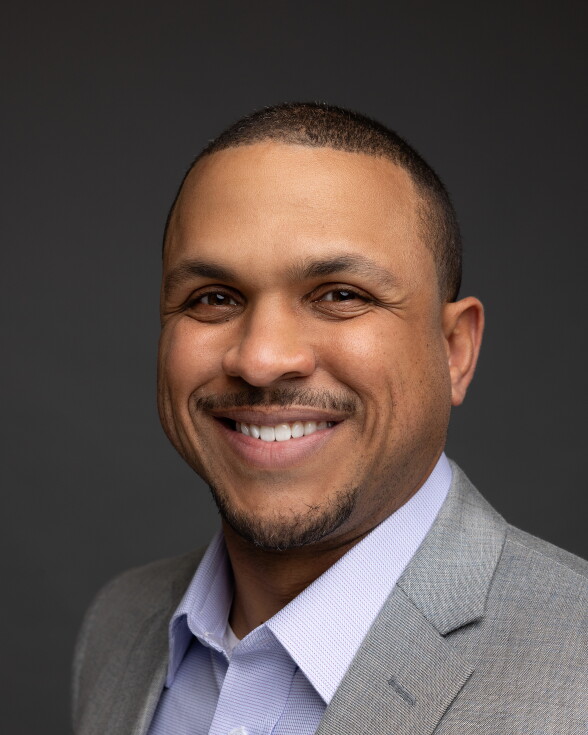
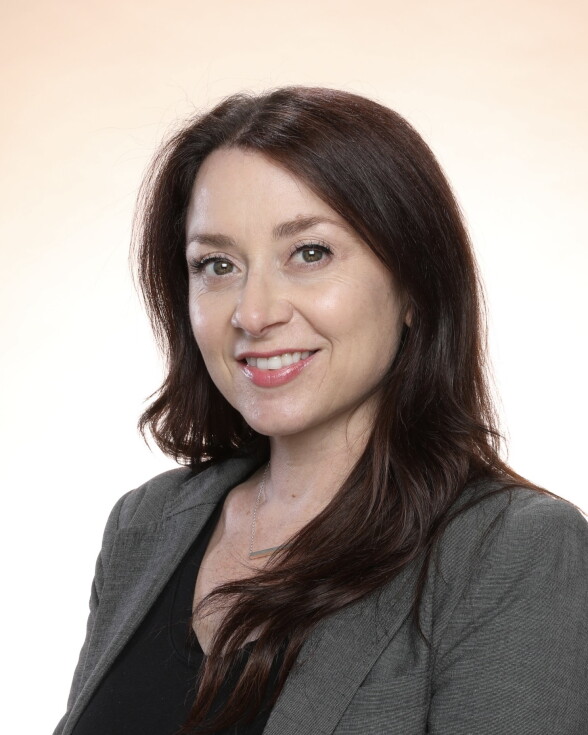
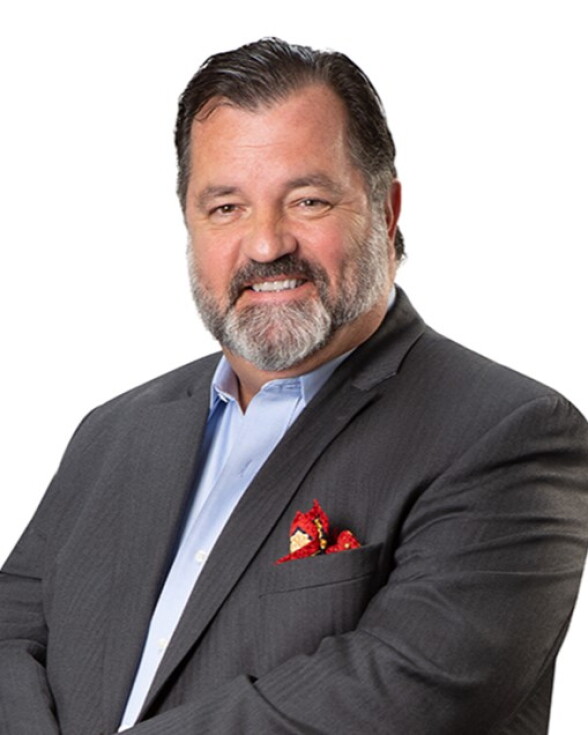
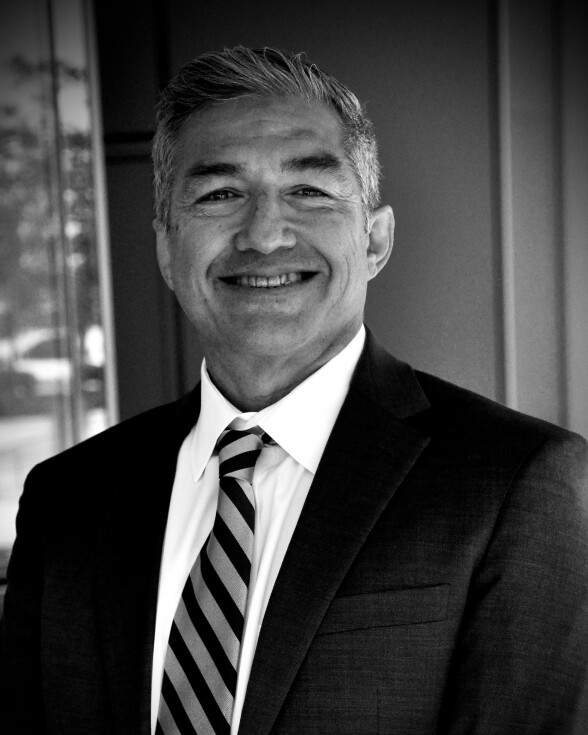
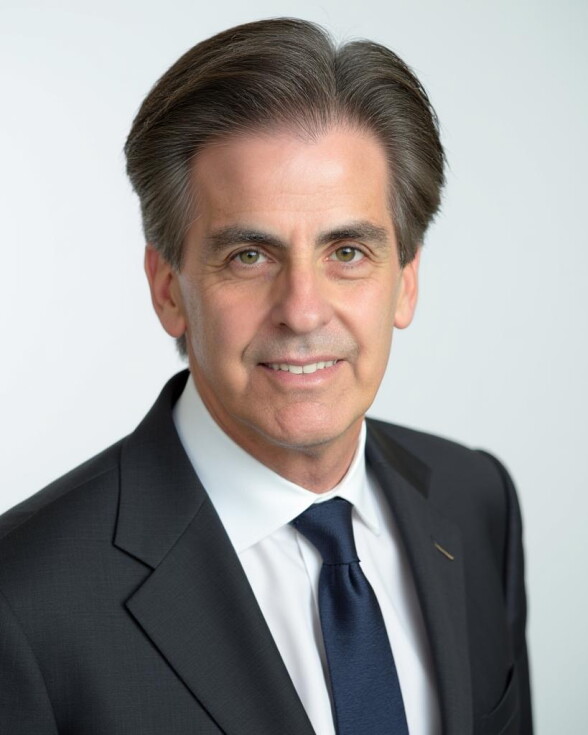
Los Angeles Superior Court: four contested seats
Candidate ratings are from the Los Angeles County Bar Association.
California Supreme Court retention
| Justice | Background |
|---|---|
| Kelli M. Evans | Civil-rights litigation, public defense, state legal service and Alameda County Superior Court before joining the Supreme Court. |
| Joshua P. Groban | Private legal practice, service as a senior adviser to Governor Jerry Brown and Supreme Court service since 2018. |
A Yes vote retains that justice; a No vote opposes retention. These are separate questions. Official qualifications and retention procedure.
Second District Court of Appeal retention
Eighteen justices are up for retention in the Second District, which includes Los Angeles County. Each justice appears as a separate Yes-or-No question. Official list and biography links.
| Division | Justices |
|---|---|
| 1 | Michelle C. Kim; Gregory J. Weingart |
| 2 | Steve Goorvitch; Anne Richardson |
| 3 | Rashida A. Adams; Mark Hanasono |
| 4 | Helen Zukin; Audra M. Mori; Nicholas Daum; Armen Tamzarian |
| 5 | Brian M. Hoffstadt |
| 6 | Tari L. Cody; Kenneth R. Yegan |
| 7 | Gonzalo C. Martinez; Natalie Stone |
| 8 | John Wiley; Matthew A. Scherb; Victor G. Viramontes |
When and where to vote
Election Day is Tuesday, November 3, 2026. Vote centers are open on Election Day from 7 a.m. to 8 p.m. Earlier in-person voting hours are 10 a.m. to 7 p.m. through November 2. Use the county’s locator for the specific center or drop box. Official voting information · Locations · Ballot tracking.