3 min readWednesday, July 1, 2026·5 members voting
Published briefingOfficial record and source links included
The Housing and Homelessness Committee used its July 1 meeting to check the city's housing pipeline from four angles: LAHD-funded affordable units, Alliance settlement compliance, time-limited subsidies, and lease-up rules for privately produced affordable units.
Watch the recordingWatch the official Housing and Homelessness Committee recording.
Raman frames the agenda as a full housing-system check
Chair Nithya Raman opened by saying the four items were mostly informational but important: LAHD's public investment record, Alliance settlement progress, time-limited subsidy implementation, and the rules for affordable units created through private development incentives.
Speakers press affordability, TLS details and actual units
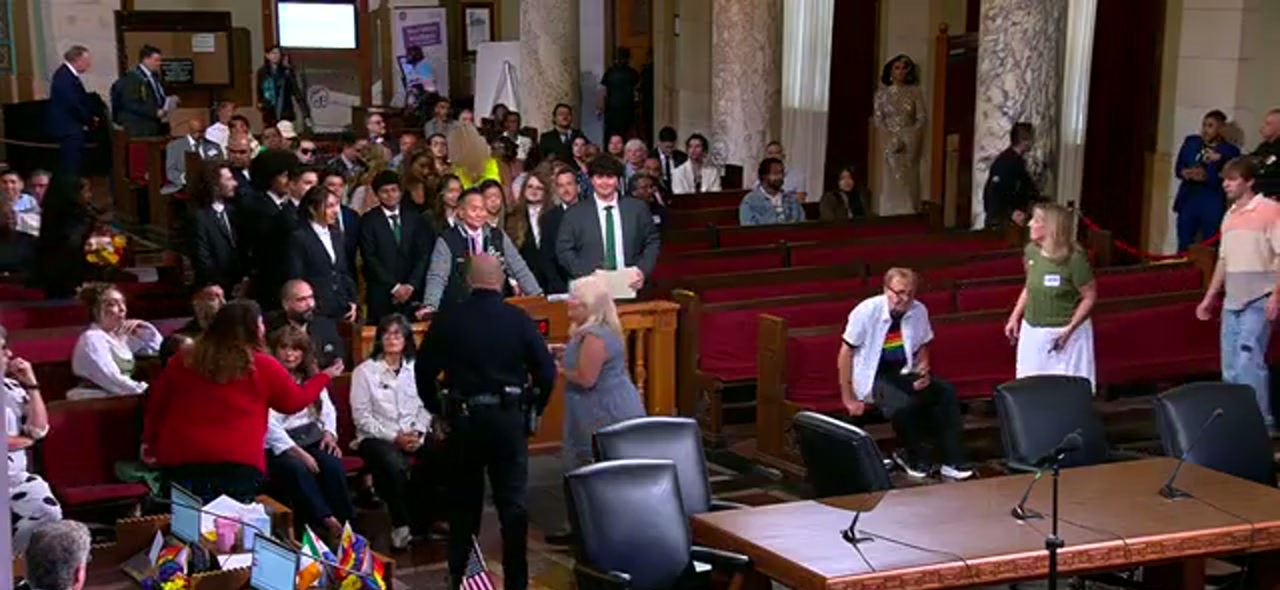
Public comment mixed criticism and practical offers. Speakers argued that many affordable units are still not affordable to very-low-income tenants, questioned time-limited subsidies as a permanent answer, criticized the lack of remote committee comment, and offered immediately available apartments that could take voucher holders.
The committee quickly approved the Harbor Interfaith Services lease extension for the CD15 Bridge Home / Low Barrier Navigation Center at 407 and 515 North Beacon Street. The item passed 5-0.
LAHD shows how city housing money has changed since 2010
LAHD reported roughly $2.4 billion in capital funds across nine funding sources since 2010, supporting 17,934 affordable and supportive units. Committee questions focused on rising per-unit costs, the impact of Measure ULA's larger capital investments, comparisons to other cities and private projects, and how to preserve older affordable housing.
The city says Roadmap beds give it a compliance cushion
The CAO said the amended Alliance agreement now requires 14,000 beds or units by June 2027, with 12,915 maintained through June 2029. Open and in-process beds were short of 12,915 on their own, but adding more than 4,400 Roadmap beds brought the count to 16,907.
The committee approved LAHD's report on marketing and tenant selection for privately produced covenanted affordable units, then added a 60-day report-back request on application review timing, income verification, lease delays and ways to streamline lease-up.
Public Comment Quotes
"Affordable isn't affordable to a lot of people."
Peggy Lee Kennedy · public comment on affordable housing and TLS · auto-caption transcript
"We can begin to house people immediately."
Elizabeth Robledo · public comment offering available units · auto-caption transcript
"We're going to meet our goals."
Matt Szabo, CAO · Alliance settlement update · auto-caption transcript
"As of today, three households have moved into their new homes."
Sarah Dusseault, HR&A · TLS implementation presentation · auto-caption transcript
Agenda Items
ITEM 4Harbor Interfaith Bridge Home lease extensionApproved 5-0The committee approved the lease extension for the Bridge Home / Low Barrier Navigation Center at 407 and 515 North Beacon Street, operated by Harbor Interfaith Services.
ITEM 1LAHD affordable and supportive housing investment reportReport notedLAHD reviewed funding sources, unit counts, cost trends and timelines for city-supported affordable and permanent supportive housing. The committee asked for annual reporting timed to the next investment round, plus comparisons to other cities and private-sector costs.
ITEM 3Alliance settlement and TLS progressPresentation onlyThe CAO, LAHD and HR&A briefed the committee on the amended Alliance targets, the third-party monitor, Roadmap bed counting and the redesigned TLS program's early lease-up pipeline.
ITEM 2Marketing and tenant selection for incentive-based affordable unitsApproved 5-0The committee approved the LAHD report and requested a 60-day follow-up on average application review and income-verification timing, staff capacity, lease delays and ways to streamline lease-up.
What Happens Next
The next Alliance checkpoint is the July 30 quarterly report, which the CAO said should include an updated bed plan and new reporting under the amended settlement. TLS staff are aiming to serve 600 households by the end of September and 2,000 by April 2027. LAHD also owes a 60-day report-back on affordable-housing application review and lease-up timing, and the annual housing investment reporting structure is supposed to line up with the next Homes LA investment round.
Three-minute briefing complete
Go deeper on the decisions
The extended report separates the production-cost discussion from the Alliance compliance math, the TLS lease-up plan and the affordable-application follow-up.
Continue · 6 min ↓Extended report open ↑
Extended report · 6 min
The committee tried to connect housing production to exits from homelessness
The four agenda items described different parts of the same bottleneck: building and preserving affordable homes, keeping enough beds to satisfy the Alliance settlement, and moving people out of interim housing quickly enough for the system to work.
The key distinction
Item 3 was a presentation only, so the committee did not vote on the Alliance or TLS plan. The binding votes were the Bridge Home lease extension, the LAHD investment reporting direction, and the 60-day affordable-unit lease-up report-back.
1 · Production costs
LAHD's unit count came with a cost warning
LAHD said the city has supported 17,934 affordable and supportive housing units since 2010, split between 9,862 supportive units and 8,072 affordable units. Production peaked in 2021, while total development cost per unit rose about $300,000, or 56 percent, from 2010 to 2025. Committee members asked whether larger upfront funding through Measure ULA could shorten timelines by reducing the number of financing layers.
2 · Alliance compliance
Roadmap beds are doing a lot of work in the compliance math
The CAO said 8,857 beds were open as of June 2 and 3,646 more were in process, including 2,000 TLS slots. That open-plus-pipeline number was 12,503, below the original 12,915 target. With more than 4,400 Roadmap beds added under the amended settlement, the total rose to 16,907, creating a 2,907-bed cushion above the new 14,000 target.
New reporting
The amended settlement calls for data on offers made, accepted and rejected, engagement by district, encampments and vacancies.
Data caveat
Several pieces depend on LAHSA and HMIS infrastructure that staff said is still being built.
3 · TLS lease-up
The redesigned subsidy program is meant to move people out of interim housing
Staff described TLS as a bridge to permanent housing for 2,000 households by April 2027. The first priority group is people who have been in city-funded interim housing for more than a year. As of the meeting, three households had moved in, about 260 were enrolled in housing navigation, 130 were actively searching for apartments, and 605 rent-reasonable units had been held for the program.
14Service providers
30-60Navigation days
70%+Legacy TLS housing retention cited
4 · Affordable-unit access
The last item focused on units created by private incentives
Chair Raman described the item as the third bucket of the city's housing system: affordable units generated through transit-oriented communities, density bonus and similar incentive programs. LAHD's report moved forward with a new request for a 60-day follow-up on application review timing, income verification, staff capacity, lease delays and how to streamline lease-up.
5 · What to watch
The next test is whether reports turn into faster placements
The committee now has several measurable follow-ups: the July 30 Alliance quarterly report, the TLS September service target, the 60-day lease-up report-back, and LAHD's annual housing investment reporting. The policy question is whether those updates show people moving from interim housing and application queues into actual homes faster than before.
Sources and method: This extended report uses the official committee recording, PrimeGov agenda file, PrimeGov meeting metadata, and the YouTube auto-caption transcript saved with this meeting's source package. Speaker names and quotes should be treated as auto-caption-based until replaced with a human-verified transcript.
Sources:Watch full recording ·
Official agenda ·
Official agenda record.
Timeline markers are positions in the official recording. This briefing is built from official agenda material and YouTube auto captions; quotes should be checked against a human transcript before being treated as final.